


Crypto wallets explained: hot vs cold wallets has been this huge thing for me lately, seriously. I’m sitting here in my apartment in Seattle—wait, no, I moved to Austin last year, it’s January 2026 and it’s weirdly chilly outside for Texas, like 40 degrees and I’m bundled in a hoodie with cold coffee next to me because I forgot to drink it while doomscrolling crypto Twitter. Anyway, crypto wallets, hot vs cold wallets specifically, hit me hard after I almost lost a chunk of my stack last summer.
What Even Are Hot Wallets in My Crypto Wallets Journey?
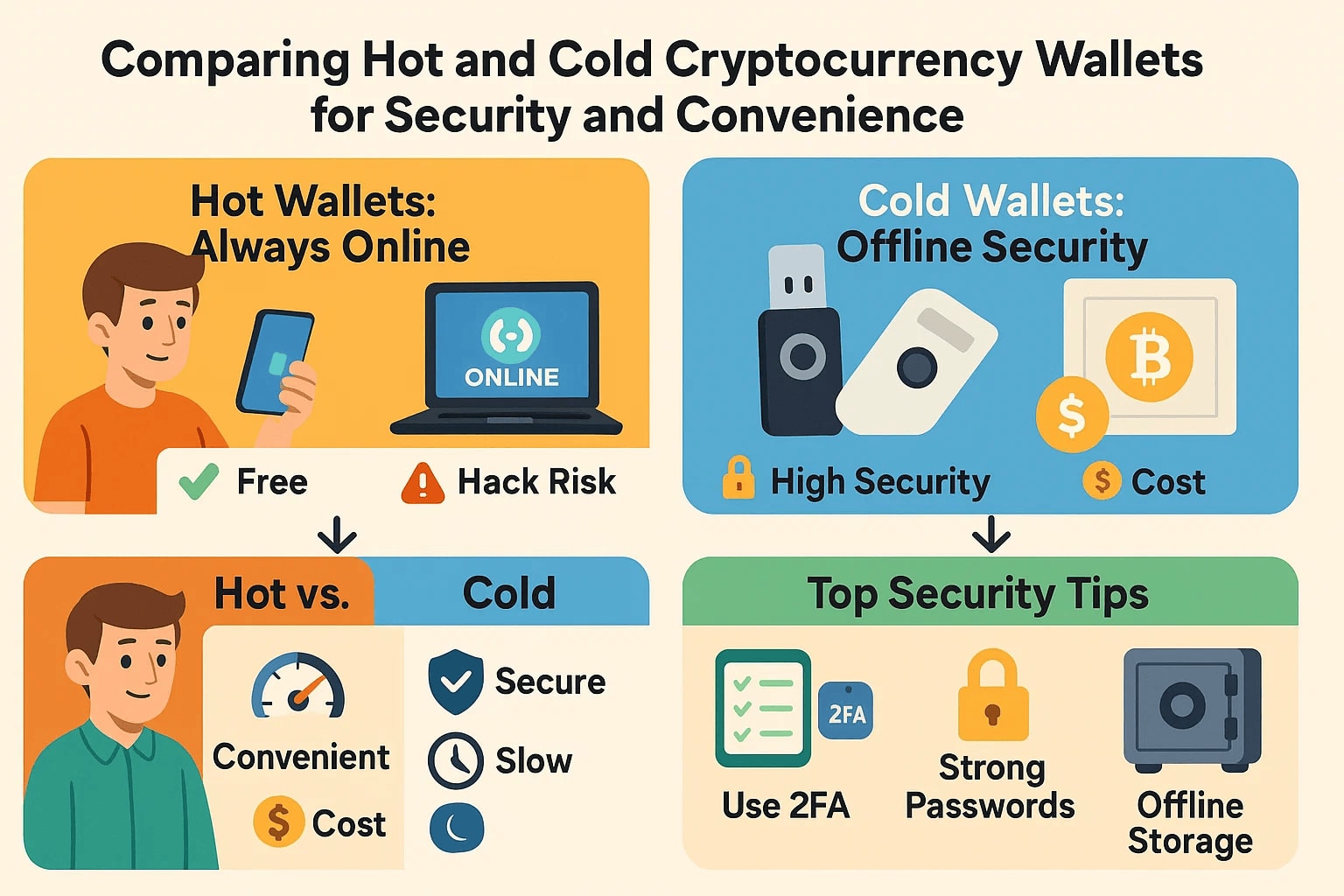
Hot wallets are the ones connected to the internet, like apps on your phone or browser extensions. Super convenient, right? I use MetaMask mostly, and sometimes Trust Wallet on my iPhone. They’re great for quick trades, staking, or sending tips to friends when we’re memeing about Solana pumps.
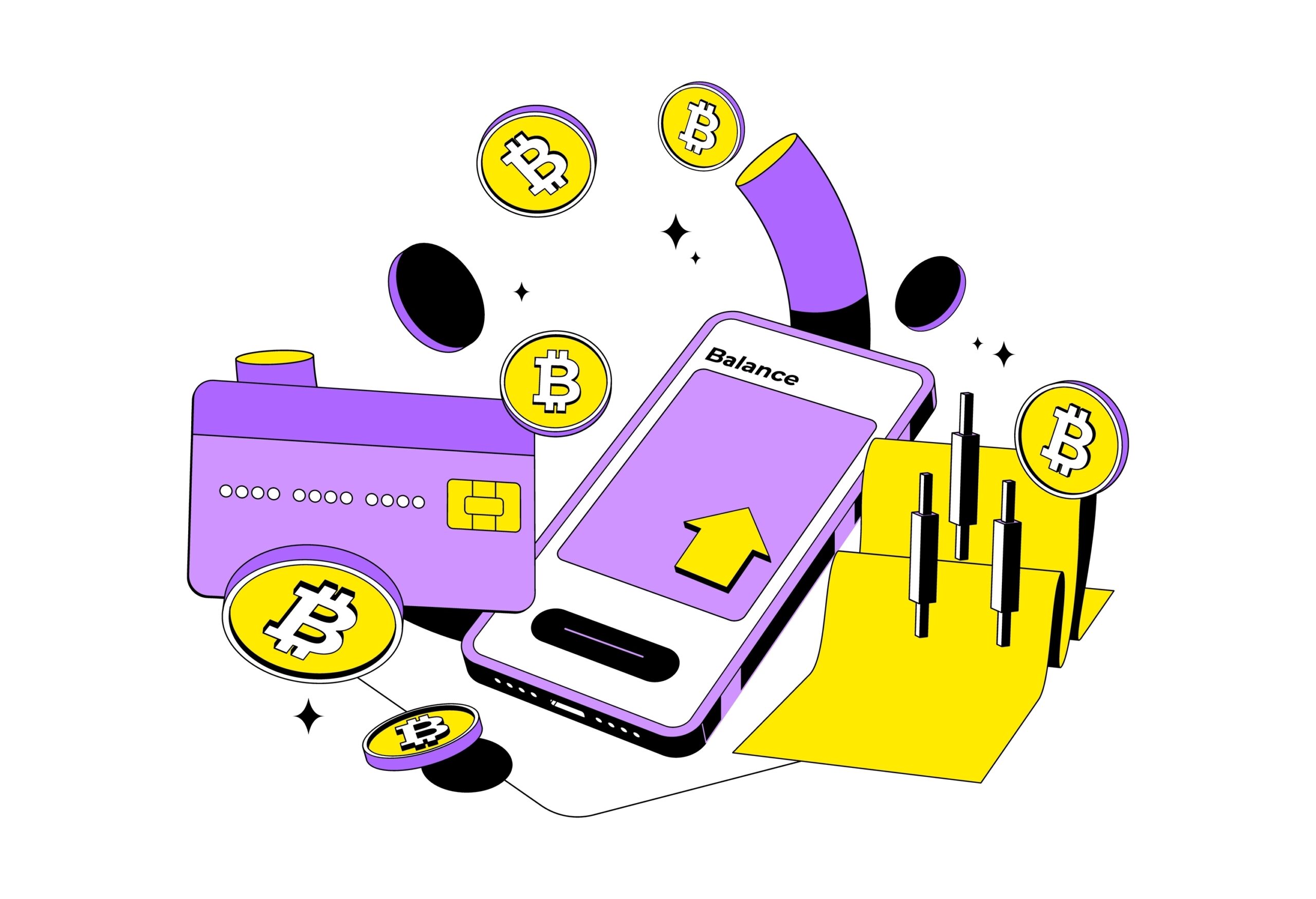

But here’s the raw honesty: hot wallets scare the crap out of me now. Last year, I had this dumb moment—I clicked a shady link in a DM (yeah, I know, rookie move even after years in this space), and boom, my hot wallet got drained for like 2 ETH. I was staring at my phone in the middle of a Whataburger drive-thru, heart pounding, fries getting cold. Felt so stupid, man. According to Coinbase’s guide on wallet security (check it out here: https://www.coinbase.com/learn/crypto-basics/what-is-a-crypto-wallet), hot wallets are vulnerable exactly because they’re online.
Cold Wallets: My Switch to Offline Crypto Storage
Cold wallets, on the other hand, are offline. No internet, no hacks from some script kiddie in a basement. Hardware ones like Ledger or Trezor are my jam now—I got a Ledger Nano X after that scare, and it’s been sitting in my safe ever since.
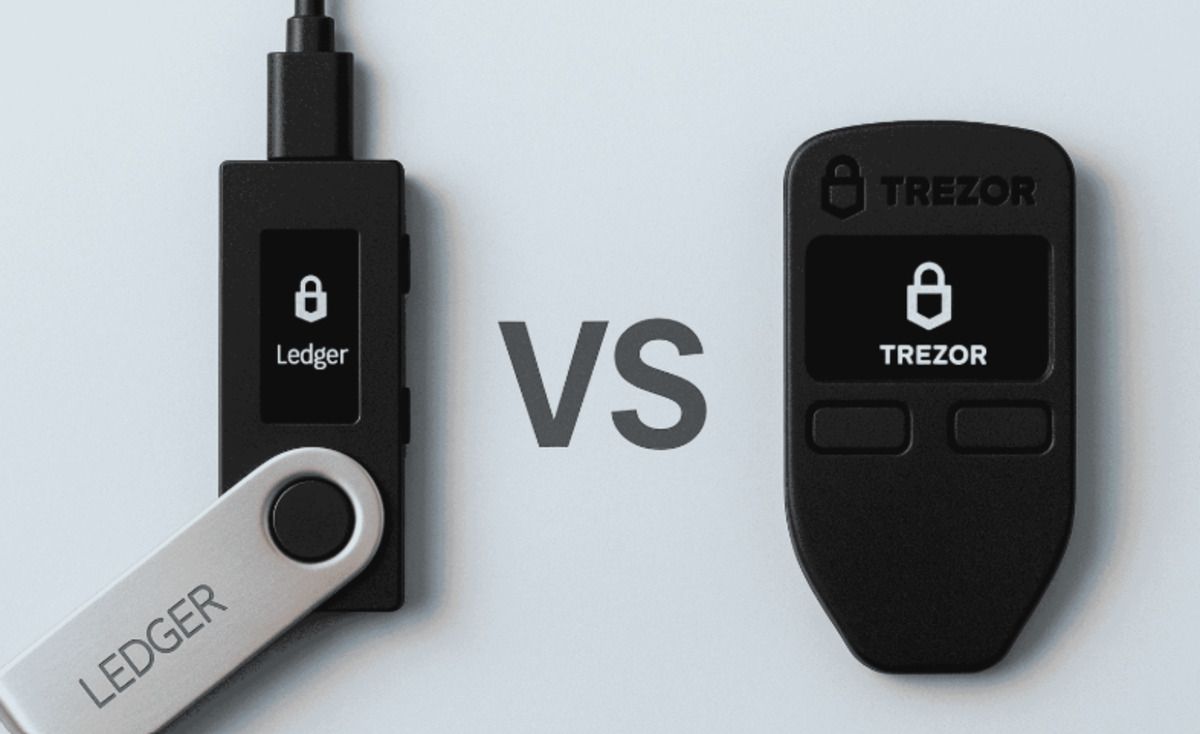

It’s not perfect though. Transferring to my cold wallet feels like a ritual—plug it in, confirm on the device, wait forever for confirmations. And I lost the seed phrase once? No, almost—scribbled it on paper and stuffed it in a book, then panicked when I couldn’t find the book during a move. Turned out it was in a box of old tax docs. Embarrassing. But way safer. Sites like Ledger’s own blog explain it well.
Hot vs Cold Wallets: My Personal Pros and Cons Breakdown
Look, no one’s all hot or all cold—most of us mix ’em.
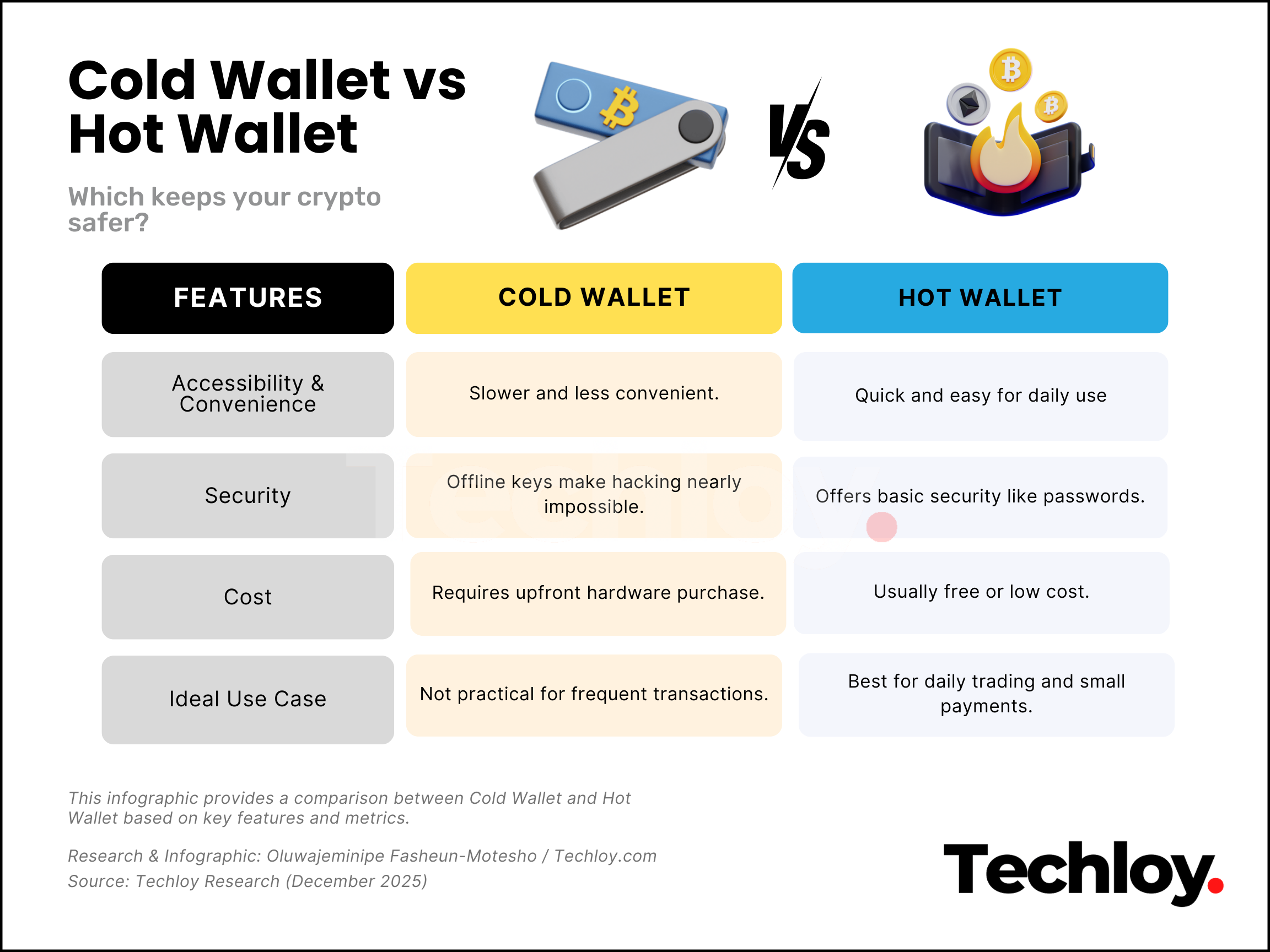
- Hot wallets pros: Fast, free mostly, easy DeFi access. I still keep a little in MetaMask for daily stuff.
- Hot wallets cons: Hackable AF. Seriously, one wrong click and poof.
- Cold wallets pros: Super secure for long-term HODLing. My big bags are cold now, and I sleep better.
- Cold wallets cons: Annoying for frequent moves, and if you lose the device without backup? Game over.
That hot wallet drain moment? Yeah, it looked kinda like this vibe—me freaking out at 2 AM.

Crypto Hack: Over 3,338 Royalty-Free Licensable Stock Photos …
My Tips for Choosing Hot or Cold Wallets (From a Flawed Dude)
Start small with a hot wallet to learn, but move most to cold once you’re serious. Use two-factor everything, never click sketchy links (lesson learned), and test recoveries. I practice restoring my cold wallet setup every few months now—paranoid? Maybe, but better than regret.
For more deets, Binance has a solid comparison.
Anyway, that’s my chaotic take on crypto wallets explained: hot vs cold wallets. I’m still figuring it out, still making dumb moves probably, but this hybrid setup works for me right now.
What about you? Drop a comment or DM me your horror stories—I could use the validation that I’m not the only idiot out there. And seriously, go set up a cold wallet if you haven’t. You’ll thank yourself later. Peace.

